Why Being Busy Isn’t the Same as Making Progress
You already know something isn’t working.
Not because the business is failing. Revenue is fine. Clients keep coming. The calendar stays full. But somewhere between Monday morning and Friday afternoon, the same question surfaces: What did I actually accomplish this week?
The honest answer, more often than not, is hard to pin down.
You were busy. You handled things. You responded to emails, solved problems, kept the wheels turning. But progress? That’s harder to point to.
This isn’t a motivation problem. It’s not a time management problem. And it’s not fixed by working harder or waking up earlier.
It’s a clarity problem. And until it’s addressed, more effort just creates more noise.
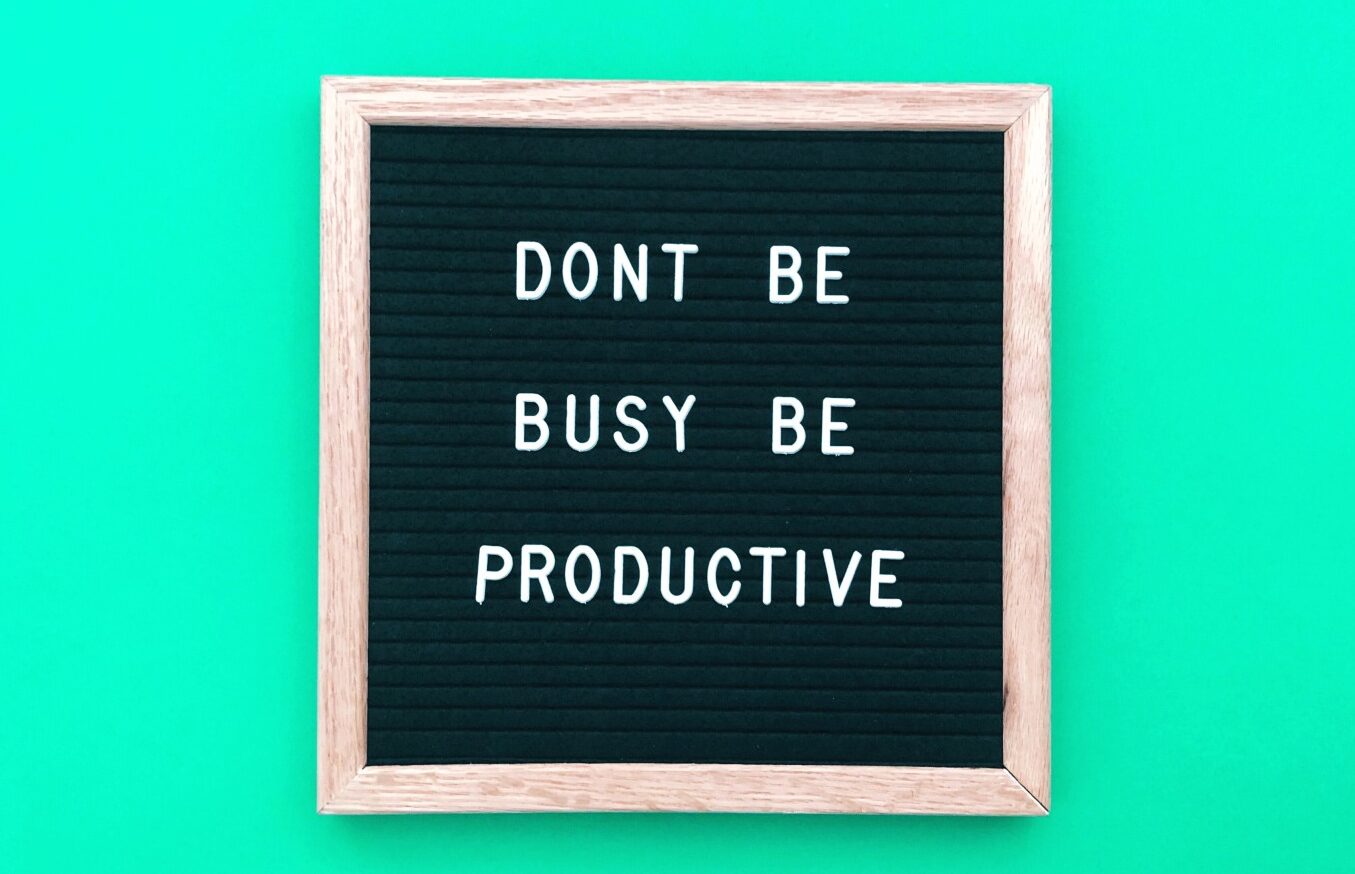
The Trap of Constant Responsiveness
Running a very small business means wearing every hat. You’re the strategist and the executor. The salesperson and the fulfillment team. The decision-maker and the one who implements the decisions.
That works, until it doesn’t.
At some point, the business develops a rhythm that feels productive but isn’t. Days fill up with tasks that need doing, problems that need solving, people that need answering. And because everything feels urgent, everything gets treated equally.
The result is a kind of responsiveness that masquerades as leadership.
You’re reacting well. You’re handling what comes. But you’re not deciding what matters, you’re letting the business decide for you.
This isn’t a character flaw. It’s a structural problem. When there’s no clear definition of what progress looks like, any activity feels like progress. And when everything feels important, nothing gets prioritized.
Why Smart Owners Stay Stuck
The frustrating part is that most owners sense what’s wrong. They can name the issues: “We’re spread too thin.” “I’m the bottleneck.” “Revenue is fine, but it doesn’t feel stable.”
Awareness isn’t the problem. The problem is that awareness doesn’t convert into action.
There are a few reasons for this.
First, there’s no forcing function. Daily operations always win against long-term thinking because daily operations have deadlines. Strategy doesn’t. So strategy gets postponed indefinitely, waiting for a “slow week” that never comes.
Second, the options feel overwhelming. You could work on marketing. Or systems. Or hiring. Or client retention. Or pricing. Every article, podcast, and business book offers another priority. Without a filter, more information creates more paralysis.
Third, planning feels disconnected from reality. Traditional business plans are static documents written for banks, not owners. Vision statements sound good but don’t translate to Tuesday morning. And goal-setting exercises produce lists that get forgotten by February.
So owners stay in motion without moving forward. They substitute activity for progress because activity is easier to generate and harder to argue with.
The Cost of Operating Without Clarity
The real cost isn’t just wasted time. It’s decision fatigue.
When priorities aren’t clear, every decision has to be made from scratch. Should I take this client? Should I invest in this tool? Should I hire now or wait? Each question requires mental energy because there’s no framework to evaluate it against.
Over time, this compounds. Small decisions pile up. Mental bandwidth shrinks. The owner becomes increasingly reactive because there’s nothing left for proactive thinking.
And the business reflects it. Growth stalls. Opportunities pass. The owner works harder to stay in the same place.
This isn’t failure. It’s a plateau that many small businesses hit and that many never escape.
What Actually Breaks the Pattern
The fix isn’t more tactics. It’s structure.
Specifically, it’s having a clear, grounded way to answer three questions:
What is this business actually trying to do? Not in the abstract. Not the vision statement version. The honest answer about where you want to be in a year and why.
What’s getting in the way right now? Not the list of twenty things that could be better. The few challenges that, if solved, would change everything else.
What should I focus on next? Not this week’s fires. The deliberate priorities for this quarter that align with the year.
When these questions have clear answers, something shifts. New opportunities become easier to evaluate. Daily decisions take less energy. “Busy” work becomes easier to spot and easier to decline.
The business doesn’t suddenly become easy. But it becomes intentional. And intentional beats reactive every time.
Structure Without Complexity
The instinct, once the problem is clear, is to look for software. A dashboard. An app. Something that tracks and measures and sends reminders.
For very small businesses, that instinct is usually wrong.
What most owners need isn’t more tools. It’s a working document that sits in the same place they already work, Google Docs, Word, a simple spreadsheet. Something they can review quarterly, reference weekly, and edit as the business evolves.
Not elegant. Just usable.
The goal isn’t to add another system to manage. It’s to have a single point of clarity that makes every other decision simpler.
That’s what turns awareness into action: not more information, but better structure. Not motivation, but a clear definition of what matters now.
The Real Advantage
In a business world full of noise, clarity is the real competitive advantage.
Not hustle. Not growth hacks. Not the latest tool or tactic.
Just the ability to decide what matters, commit to it, and execute without second-guessing.
Most small business owners are capable of far more progress than they’re making. They’re not lacking in skill or effort. They’re lacking in structure.
Fix that, and everything else gets easier.